Russia and China dominate the global supply of titanium; an essential lightweight alloying metal used in aircraft parts.
This concentration threatens to frustrate and delay Western commercial aerospace programmes and impede economic growth, which depends on the safe, reliable and efficient movement of people and goods between markets. Military and space programmes are similarly at risk, with titanium’s intensity of use in fighter jets more than three times that of a typical narrow-body aircraft.
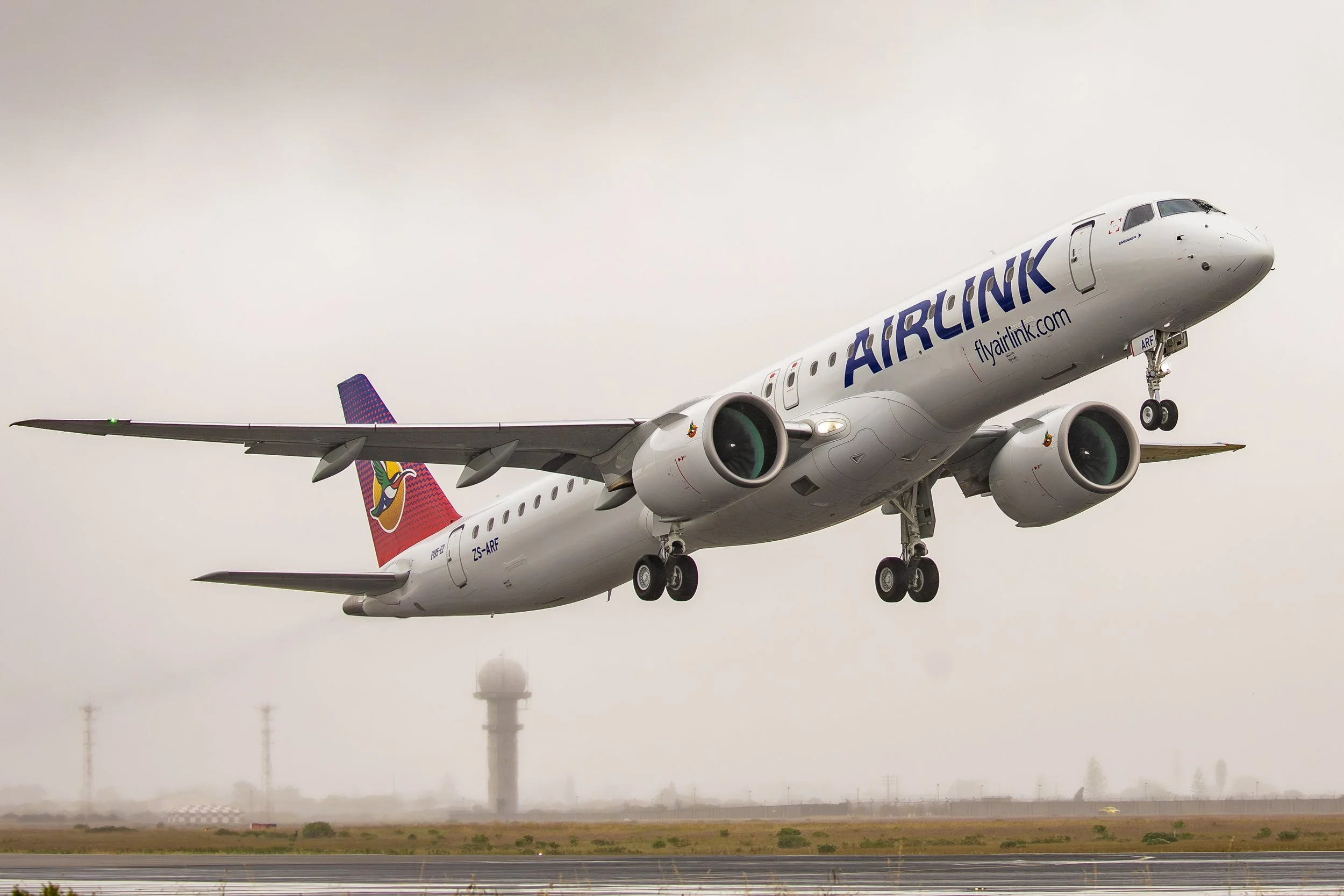
This is according to analysis by Project Blue, a critical material supply chain advisory firm, which projects a requirement for more than 1.6 million tonnes of titanium by 2044 to meet aircraft and engine makers’ forecast production of about 46,000 new commercial planes. Rising demand for air travel and cargo, along with the replacement of obsolete fleets, are expected to drive this growth, with commercial aircraft accounting for nearly 90% of annual titanium demand by the late 2040s.
“Geopolitical shifts and uncertainties have exposed the vulnerability of the entire aerospace manufacturing supply chain, with its dependence primarily on Russia as a source for titanium. Russia accounts for the majority of aerospace-grade titanium metal – and while sanctions and trade disruptions are forcing manufacturers to diversify supply, replacing these sources entirely remains challenging without affecting quality, availability or price stability. As a result, Boeing and Airbus have so far been exempted from sanctions,” says Project Blue co-founder and director, Dr Nils Backeberg.
While Western aerospace value chains assess the criticality of titanium, China has spent the past decade expanding production. It currently supplies over 75% of the world’s titanium metals, up from less than 40% in 2019. Alongside this, the country has invested in other key alloying materials – such as rhenium, used in aircraft engine turbine blades – as part of broader efforts to grow its own aerospace industry. China’s titanium industry still needs to upskill into aerospace-grade capabilities, but trade data shows material is already flowing between China and Russia, supporting those ambitions.
This growing control over titanium raises concerns that China may restrict outward flows to prioritise its domestic aerospace programmes. Such a strategy could support the expansion of COMAC, China’s commercial aircraft initiative aiming to compete with Airbus, Boeing and Embraer, while also underpinning its military ambitions with the sixth-generation J-36 fighter jet, now undergoing flight tests.
The effects of growing risks to Western supply chains are amplifying the global aerospace industry’s post-Covid supply chain crisis, in part forcing manufacturers to push out delivery timelines for new aircraft. By the end of 2024, the global order backlog had risen from 10,000 to over 17,000, with the International Air Transport Association (IATA) reporting earlier this year that airlines now face an implied 14-year wait time for new aircraft.
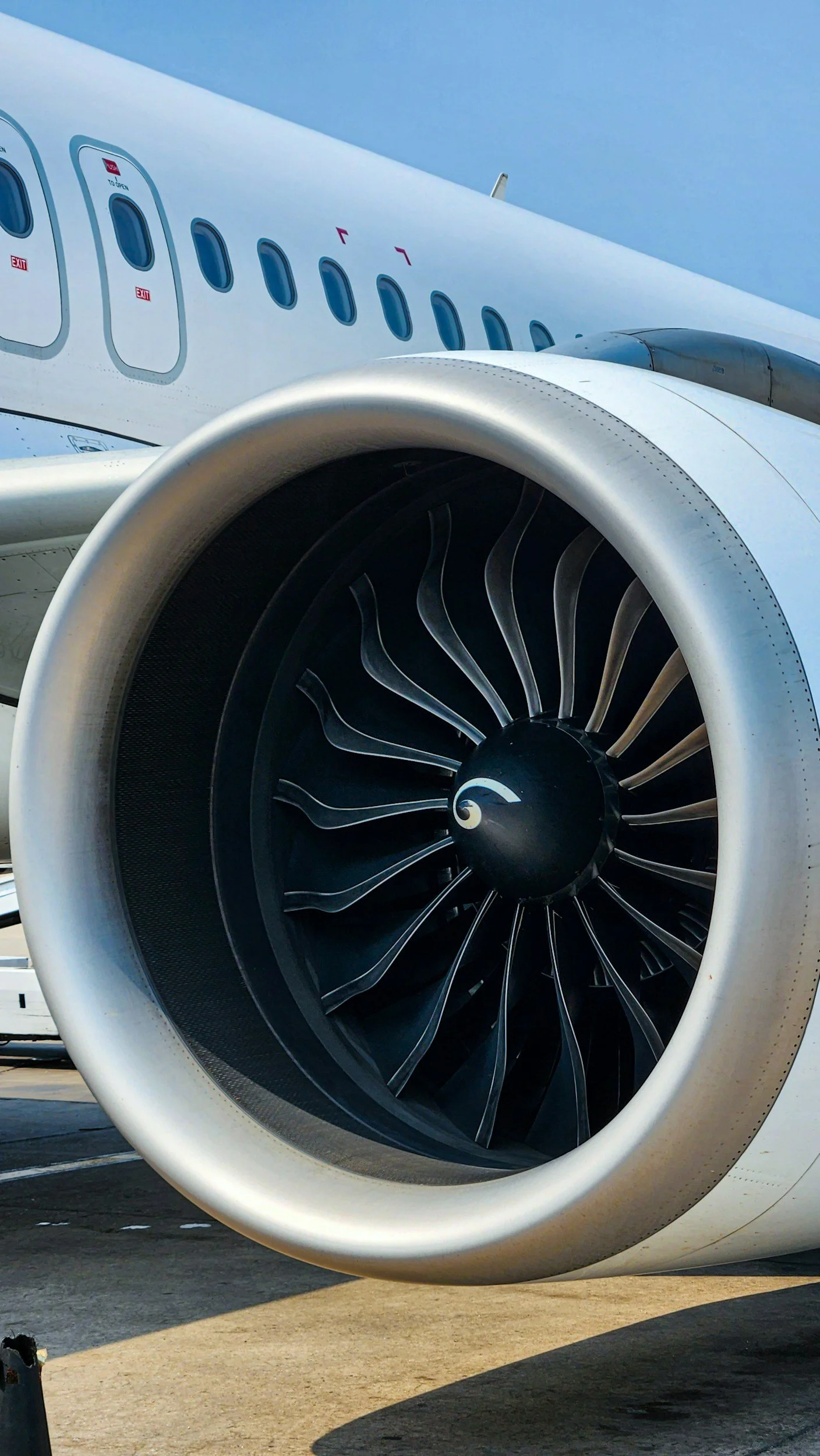
“The aerospace industry underpins the market for titanium metals. Titanium is widely used on aircraft and engines due to its strength, ability to withstand high temperatures, corrosion resistance and light weight. Typical applications are in aircraft landing gear, fasteners, engine pylons and heat shielding. However, Russia's war in Ukraine continues to impact important aerospace-grade supply, with the threat of a Chinese supply chain for COMAC and the J-36 redirecting crucial materials away from Western markets. With long lead times to certify new products and strained supply chains, it will be difficult for the industry – especially Western manufacturers – to operate without Russian supply in the short term,” explained Dr Backeberg.
Project Blue, which developed a model to measure superalloy use in aircraft and engine parts, notes similar dependencies on a handful of other commodities and countries which dominate the aerospace industry’s supply of aluminium, steel, cobalt, nickel and their related alloys. In addition to commercial aerospace developments, increasing military spending – and the growing scrutiny on supply chain origins – will add further pressure to a value chain still recovering from the Covid-19 pandemic downturn.